Rodent exclusion resolves the structural gaps that allow pests to breach domestic envelopes, unlike surface-level baiting that only addresses transient populations. In Midlands communities like Cottontown, Elmwood…
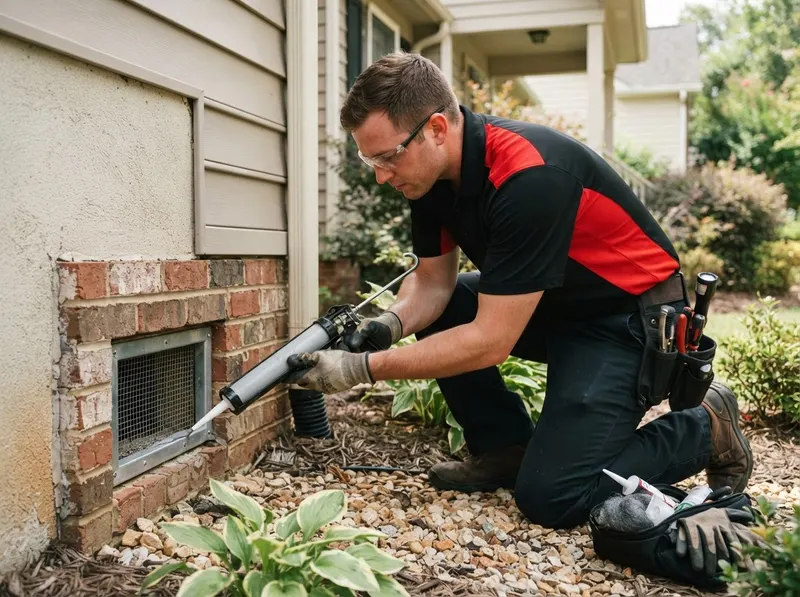
Rodent exclusion resolves the structural gaps that allow pests to breach domestic envelopes, unlike surface-level baiting that only addresses transient populations. In Midlands communities like Cottontown, Elmwood Park, and Earlewood, historic Craftsman homes frequently feature stone foundations, detached mortar joints, and unbacked crawl space louvers. Conversely, mid-century ranch properties throughout Forest Acres and Lake Katherine often harbor roofline vulnerabilities where fascia boards meet soffits under dense pine canopies. The Centers for Disease Control and Prevention guidelines on rodent sealing emphasize that mice exploit openings measuring one-quarter inch, while rats bypass openings spanning one-half inch. Structural defense requires durable barriers such as 19-gauge galvanized hardware cloth, copper mesh, and heavy-gauge sheet metal, which eliminate reliance on temporary spray foams that teeth can easily breach.
Effective interior management pairs structural sealing with interior mechanical trapping rather than uncontrolled interior poison dissemination. The EPA regulations on rodenticides caution against open indoor poison placement because intoxicated rodents frequently perish within interior drywall voids, generating severe odor events and secondary dermestid beetle activity. Mechanical abatement utilizes covered snap traps placed along active travel runs identified by pheromone trails and sebum rub marks. These protocols follow technical standards established by the National Pest Management Association, ensuring rapid knockdown without introducing foul-smelling chemical off-gassing into interior living zones. Properties situated along river corridors near The Vista or shaded lots near Riverbanks Zoo and Garden face sustained outdoor pressure from Norway rats tunneling near irrigation systems, making mechanical isolation of the crawl space essential.
Homeowners choose between localized patch treatments and full-envelope perimeter protection based on foundation age and active rodent pressure. A localized repair secures an isolated entry point, such as an unsealed HVAC refrigerant chase in Rosewood or Shandon, at a lower entry price, though it leaves remaining roof vents unprotected against roof rats. Full-envelope exclusion seals crawl space foundation vents, install chimney cap screens compliant with Chimney Safety Institute of America criteria, and fastens custom metal flashing along construction gaps. While comprehensive exclusion requires greater upfront investment, it stops recurring structural and electrical wire chewing that elevates fire risks documented by the National Fire Protection Association. For attics damaged by urine and droppings, complete clearing aligns with OSHA workplace safety standards to handle biohazards safely before applying virucidal surface mists.
Local environmental variables across Richland County shape structural vulnerability. The South Carolina Department of Agriculture oversees regulatory guidelines for structural pest mitigators across the Midlands, where 80-degree summer humidity accelerates wood decay around foundation access doors. Seasonal river flooding documented by the South Carolina Department of Natural Resources drives wild rodent populations upward toward residential dry ground in Heathwood and areas buffering the University of South Carolina Horseshoe. In rural borders near Congaree National Park, field mice migrate inward each autumn as agricultural forage contracts. Corrective measures incorporate proper clearance around building envelopes based on advice from Clemson University Cooperative Extension, reducing overhanging tree limbs within 6 feet of roof ridges and reinforcing air vents with ASTM International compliant steel barriers.
Every job gets a firm, written price after a free on-site visit.
Tell us about your rodent exclusion and abatement job in columbia and we'll send a clear, written quote, usually the same day.
 StoneHarbor Pest Relief